
Staying active after 60 doesn't have to mean spending hours at the gym or following an intense workout plan.
For many people, it can be much simpler.
Walk around the neighborhood. Ride to a nearby park. Meet a friend outdoors. Visit a local market. Work in the garden. Take a short trip without automatically reaching for the car keys.
The more movement fits naturally into everyday life, the easier it can be to keep doing.
And that may be one of the most useful ways to think about an active lifestyle after 60:
Don't just look for exercise. Look for more reasons to move, get outside, and go somewhere.
Quick Answer: Some of the easiest ways to stay active after 60 are walking regularly, cycling, turning short errands into active trips, spending more time outdoors, doing activities with friends, and choosing forms of movement that feel comfortable enough to repeat. If a traditional bicycle no longer feels like the right fit, an electric trike can also offer another way to keep riding and getting outside.
Table of Contents
- 1. Start With Everyday Movement, Not Workouts
- 2. Make Walking Part of Your Routine
- 3. Turn Everyday Errands Into Activity
- 4. Keep Cycling—Even If a Two-Wheel Bike Feels Different Now
- 5. Why an Electric Trike Can Make Riding More Approachable
- 6. Give Yourself More Reasons to Go Outside
- 7. Make Activity Social
- 8. Add Other Types of Movement to Your Week
- A Simple Active Week After 60
- Where E-COZY Fits Into an Active Lifestyle
- FAQ
Look for small opportunities to add movement to things you're already doing.
A destination can make walking or riding feel less like exercise and more like part of your day.
The activity you're willing to repeat is often more useful than the one that looks best on paper.
1. Start With Everyday Movement, Not Workouts
When people hear "stay active," it's easy to picture structured exercise.
But movement doesn't only happen in a gym.
It can happen while you're:
- Walking to see a neighbor
- Going outside with the dog
- Riding to a nearby park
- Working in the garden
- Visiting a local market
- Picking up a few groceries
- Exploring a neighborhood or trail
These activities have something important in common:
The movement is connected to something you actually want or need to do.
That can make an active lifestyle feel much easier to maintain.
For adults 65 and older, the CDC recommends a weekly mix of aerobic activity, muscle-strengthening activity, and activities that help improve balance. It also notes that some physical activity is better than none and that people who cannot meet the full recommendations should be as active as their abilities and conditions allow. :contentReference[oaicite:0]{index=0}
That doesn't mean every active moment has to be a formal workout.
It means finding more opportunities to move throughout the week.
2. Make Walking Part of Your Routine
Walking is one of the easiest ways to build movement into everyday life.
You don't need special equipment or a complicated plan.
You can simply choose a comfortable route and make it part of something you already enjoy.
For example:
- Take a morning walk around the neighborhood
- Walk with your partner after dinner
- Meet a friend at a local park
- Walk through a farmers market
- Take the dog somewhere different
- Explore a nearby walking path
Brisk walking is one example the CDC gives for moderate-intensity aerobic activity. :contentReference[oaicite:1]{index=1}
Instead of focusing on how far you can walk today, think about whether the route, pace, and duration feel realistic enough that you'd be happy to do it again later in the week.
3. Turn Everyday Errands Into Activity
One of the most practical ways to stay active after 60 is to stop separating movement from everyday life.
Not every trip has to become a workout.
But some short trips can become opportunities to spend more time outside and move a little more.
Think about the places close to home:
- The mailbox
- A neighbor's house
- A coffee shop
- A community center
- A local park
- A farmers market
- A nearby grocery store
Depending on distance and your comfort level, some of those trips might be possible on foot, by bicycle, or by electric trike.
That changes the way you think about activity.
Instead of:
"I need to exercise today."
It becomes:
"I'm going somewhere—and I'll move along the way."
We've explored this idea further in 7 Short Car Trips You Can Replace With an Electric Trike .

4. Keep Cycling—Even If a Two-Wheel Bike Feels Different Now
For many people, riding a bicycle represents more than exercise.
It's a way to get outside.
A way to explore.
A way to go somewhere without being inside a car.
But the way cycling feels can change over time.
You may find that:
- Balancing on two wheels doesn't feel as relaxing as it used to
- Getting a leg over a traditional frame feels awkward
- Longer rides require more effort than you'd like
- Starting and stopping feels less comfortable
- You'd prefer more support while riding
Those changes don't automatically mean riding has to disappear from your life.
Sometimes the better solution is simply to change how you ride.
5. Why an Electric Trike Can Make Riding More Approachable
An electric trike offers a different kind of cycling experience.
Instead of balancing a two-wheel bicycle while stopped, a trike uses three wheels to support the vehicle.
Electric assistance can also reduce how much effort you need to provide on your own.
Depending on the design, riders may have access to pedal assistance, throttle assistance, a lower step-through frame, a supportive backrest, and cargo space for everyday trips.
That combination can make riding useful for more than recreational exercise.
You might ride:
- Around your neighborhood
- To a friend's house
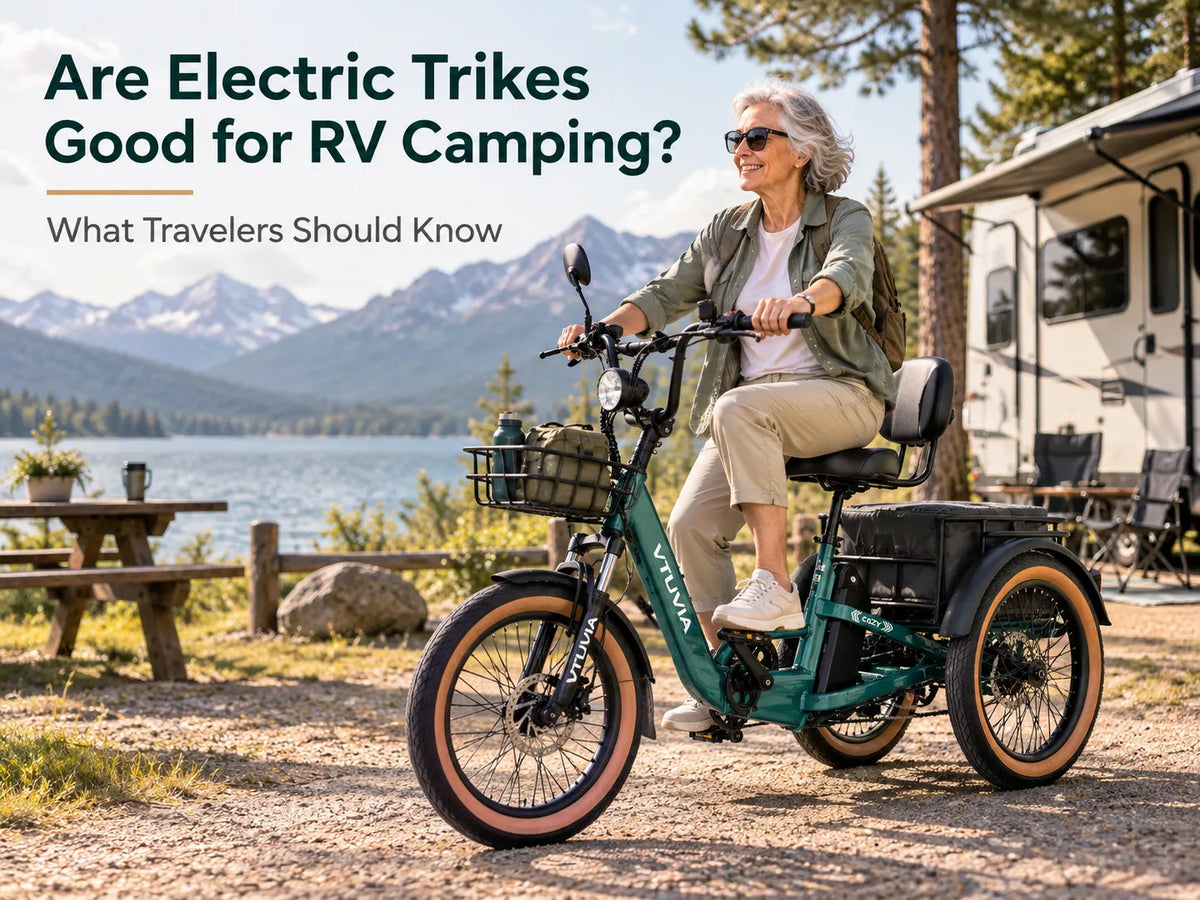
- Through a community or campground
- To the park
- To a nearby store
- Along a local bike path
And because the motor can assist when needed, you can choose how much of the work you want to do yourself.
Think of an Electric Trike as Another Option
An electric trike doesn't have to replace walking, gardening, strength exercises, or other forms of movement.
It simply gives you another way to get outside.
Some days you may want to walk.
Some days you may want to pedal.
Some days you may want more help from the motor.
And some days you may just want to ride somewhere instead of staying home.
If you're new to three-wheel riding, our Complete Electric Trike Guide explains how electric trikes work and what to consider before choosing one.
6. Give Yourself More Reasons to Go Outside
Sometimes "being more active" becomes much easier when you stop making activity the destination.
Give yourself somewhere to go instead.
That might mean:
- A waterfront path
- A botanical garden
- A community event
- A local farmers market
- A nearby park
- A coffee shop
- A trail you've never explored
When you're looking forward to where you're going, movement becomes part of the experience rather than the whole point of it.
That's especially useful for people who have never enjoyed formal workouts.
You don't have to love exercise.
You may simply need more reasons to leave the house.
7. Make Activity Social
Movement doesn't have to happen alone.
Walking, riding, visiting a market, gardening, or exploring a park can all become social activities.
You might:
- Walk with a neighbor
- Ride with your partner
- Meet friends at a park
- Visit an outdoor market together
- Join a community activity
- Take a casual ride around the neighborhood
When the activity gives you a chance to see someone you enjoy spending time with, you have another reason to keep doing it.

8. Add Other Types of Movement to Your Week
Walking and cycling can be useful parts of an active lifestyle, but they don't have to be the only ones.
A balanced week can include different kinds of movement.
Resistance bands, light weights, bodyweight movements, or other appropriate strengthening activities can help add variety to your routine.
Planting, watering, digging, carrying, and maintaining a garden can combine movement with something productive and enjoyable.
Swimming, water aerobics, or simply moving in a pool can provide another way to add aerobic activity to your week.
Activities such as tai chi, gentle yoga, stretching, or appropriate balance exercises can complement walking and riding.
The CDC recommends that adults 65 and older include aerobic activity, muscle-strengthening activity, and balance work across the week. :contentReference[oaicite:2]{index=2}
The key is not doing every type of activity every day.
It's finding a mix that fits your life.
A Simple Active Week After 60
Your week doesn't have to revolve around workouts.
Movement can be mixed into ordinary activities.
| Day | Activity Idea |
|---|---|
| Monday | Neighborhood walk |
| Tuesday | Light strength or mobility exercises |
| Wednesday | Gardening or outdoor chores |
| Thursday | Bike or electric trike ride to a nearby destination |
| Friday | Balance or flexibility activity |
| Saturday | Visit a park, local market, or friend |
| Sunday | Easy walk, relaxed ride, or outdoor activity |
This isn't a required schedule.
It's simply an example of how an active lifestyle can be built around everyday life rather than around a gym.
Where E-COZY Fits Into an Active Lifestyle After 60
For some riders, staying active isn't about doing more.
It's about removing what makes getting outside harder.
That idea is central to how we designed VTUVIA E-COZY.
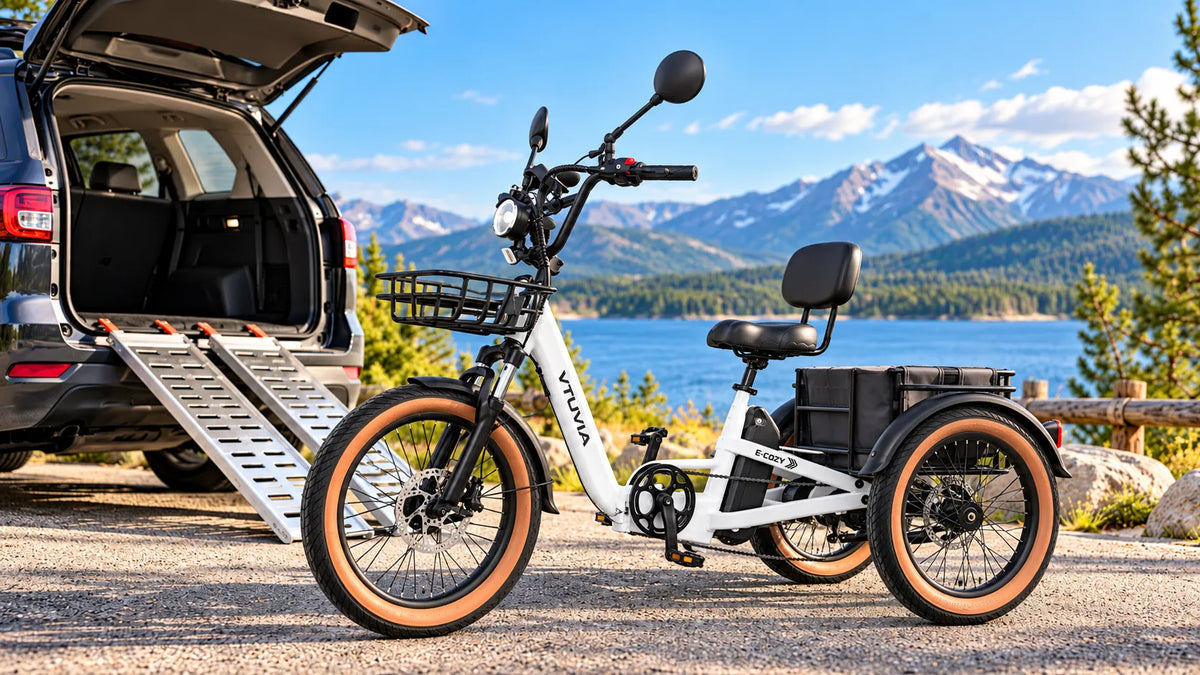
E-COZY is a folding electric trike designed around comfort, stability, and practical everyday riding.
Designed to Make Everyday Riding More Approachable
For riders who want to keep cycling but prefer an alternative to a traditional two-wheel bike, E-COZY includes:
- 14.8-inch ultra-low step-through to reduce how high you need to lift your leg when getting on.
- Supportive adjustable backrest for a more supported riding position.
- Pedal assist and throttle assistance so you can choose how much motor help you want.
- Three-wheel design for a different riding experience from balancing on a traditional bicycle.
- Front and rear cargo space for groceries and everyday trips.
- Folding frame for more flexible storage.
The idea isn't to make every ride into a workout.
It's to make riding something you can look forward to doing.
Keep Living. Keep Riding.
Explore E-COZYFAQ: Staying Active After 60
What are some easy ways to stay active after 60?
Walking, cycling, gardening, light strength activities, balance exercises, outdoor errands, and social activities can all add movement to your week. The best activities are usually the ones that fit your abilities, interests, and normal routine.
Is walking a good way to stay active after 60?
Yes. Walking can be a practical form of aerobic activity and can be incorporated into neighborhood trips, social activities, or time outdoors. CDC guidance lists brisk walking as an example of moderate-intensity aerobic activity for older adults.
Can I keep cycling after 60?
Many adults continue cycling later in life. The type of bicycle that feels right depends on your comfort, balance, fitness, riding environment, and preferences. Riders who no longer prefer balancing a traditional two-wheel bike may want to explore other designs, including electric trikes.
Is an electric trike a good option for staying active?
An electric trike can provide another way to get outdoors, pedal at a comfortable effort, visit nearby destinations, and make everyday trips. Electric assistance also allows the rider to choose how much help they want from the motor.
What if I don't enjoy exercising?
Try connecting movement to something you already enjoy. Walking to see a friend, visiting a local market, gardening, riding to the park, or exploring your neighborhood can add activity without making the experience feel like a formal workout.
How much activity do adults over 65 need?
CDC guidance recommends at least 150 minutes of moderate-intensity aerobic activity each week for adults 65 and older, plus muscle-strengthening activities on at least two days and activities that improve balance. People who cannot meet the full recommendation should be as physically active as their abilities and conditions allow.
Staying Active Should Fit the Life You Want to Live
Staying active after 60 doesn't have to mean chasing a fitness goal.
Sometimes it means taking the longer walk because the weather is nice.
Sometimes it means riding to see a friend.
Sometimes it means visiting a market instead of spending the afternoon at home.
And sometimes it simply means finding a more comfortable way to keep doing something you've always enjoyed.
Walking, cycling, gardening, social activities, and everyday trips can all give you reasons to keep moving.
The goal isn't to turn every day into exercise.
It's to keep giving yourself reasons to get out and live it.
And if riding is one of those reasons:
Keep Living. Keep Riding.
Share:
Can You Ride an Electric Trike Without Pedaling?
Easy Outdoor Activities for Older Adults